
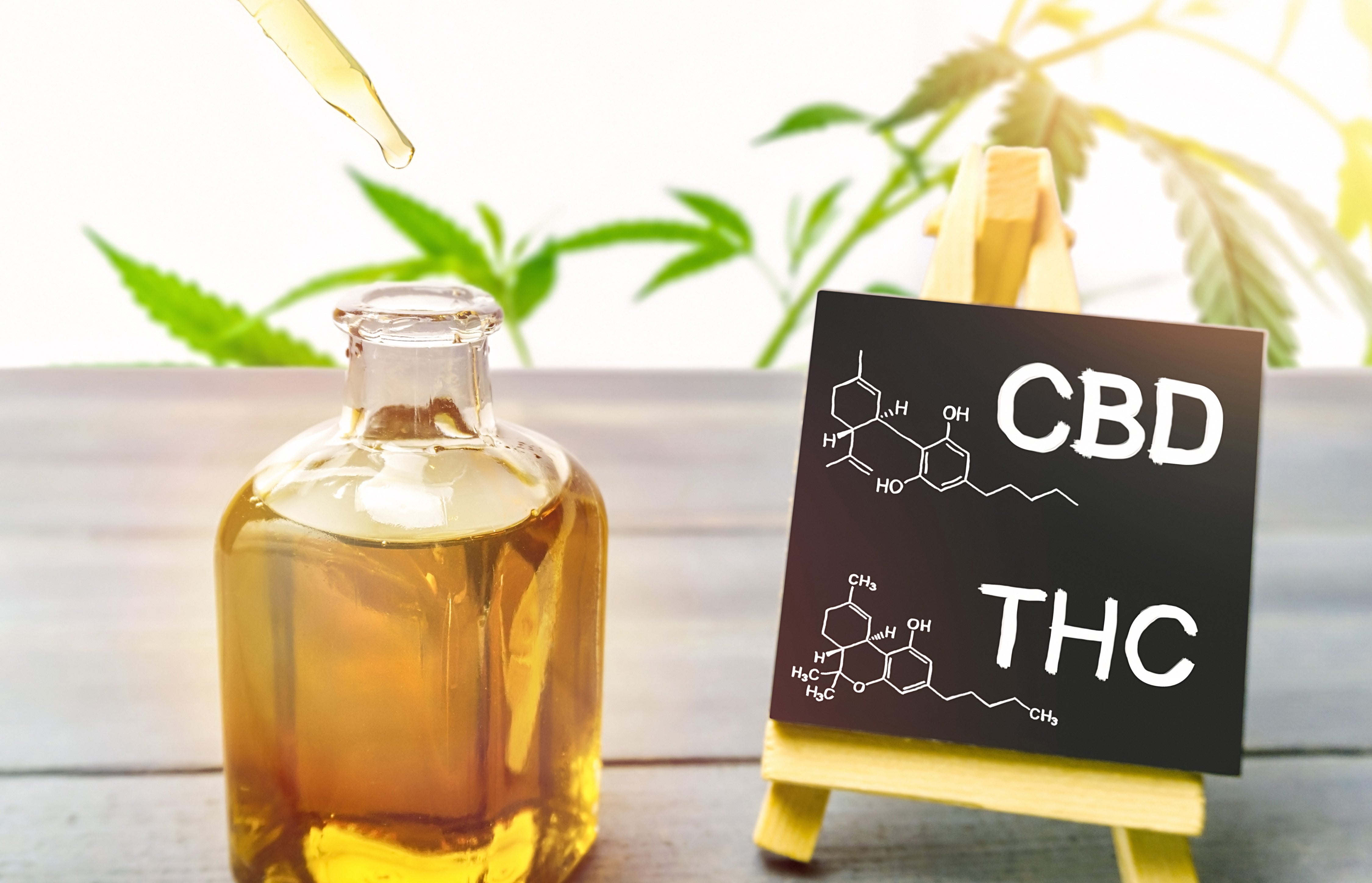
Understanding Cannabinoids: A Comprehensive Guide
Cannabis sativa produces a remarkable range of naturally occurring chemical compounds. Among them are phytocannabinoids: compounds found in the plant that can interact with biological signalling systems in humans and other animals.
More than 100 different phytocannabinoids have been identified. The best known are cannabidiol (CBD) and delta-9-tetrahydrocannabinol (THC), but researchers are increasingly investigating compounds such as cannabigerol (CBG), cannabichromene (CBC), cannabinol (CBN) and tetrahydrocannabivarin (THCV).
These compounds differ in their chemical structures, biological activity and abundance in the plant. Understanding those differences is essential when comparing hemp varieties, cannabis extracts and cannabinoid-containing products.
1. What Are Cannabinoids?
The term cannabinoid describes several related groups of compounds:
- Phytocannabinoids: Cannabinoids produced by plants, particularly Cannabis sativa. Examples include CBD, THC, CBG, CBC and CBN.
- Endocannabinoids: Signalling molecules naturally produced by the body. Important examples include anandamide (AEA) and 2-arachidonoylglycerol (2-AG).
- Synthetic cannabinoids: Compounds manufactured in laboratories that interact with cannabinoid-related biological pathways. Their properties and safety profiles vary considerably.
These groups are related by their biological activity, but they are not chemically identical and do not necessarily produce the same effects.
2. How the Cannabis Plant Produces Cannabinoids
Many cannabinoids are initially produced in their acidic forms. Cannabigerolic acid (CBGA) is an important precursor in the plant's cannabinoid biosynthesis.
Enzymes can convert CBGA into several other acidic cannabinoids, including:
- THCA: Tetrahydrocannabinolic acid.
- CBDA: Cannabidiolic acid.
- CBCA: Cannabichromenic acid.
Heat and time can cause decarboxylation, a chemical reaction in which these acidic compounds lose carbon dioxide and form their corresponding neutral cannabinoids: THCA becomes THC, CBDA becomes CBD, and CBCA becomes CBC.
This is one reason that processing conditions matter. The cannabinoid profile of fresh plant material can differ substantially from that of heated or processed extracts.
3. The Major Phytocannabinoids
Cannabidiol (CBD)
CBD is one of the most extensively researched phytocannabinoids. Unlike THC, it does not typically produce the characteristic intoxicating high associated with cannabis.
CBD has a complex pharmacological profile. Its effects cannot be explained simply as direct activation of the CB1 and CB2 cannabinoid receptors. Research has investigated its actions at several other signalling pathways, including TRPV1, GPR55 and adenosine-related mechanisms.
What is established? Purified, prescription cannabidiol has demonstrated effectiveness in clinical trials involving certain severe epilepsy syndromes. In Australia, the TGA has approved Epidyolex as an adjunctive treatment for seizures associated with Lennox-Gastaut syndrome and Dravet syndrome in patients aged two years and older.
CBD is also being investigated for conditions involving anxiety, inflammation, pain and other physiological processes. The strength of evidence differs considerably between conditions, formulations and doses. Results from studies of prescription cannabidiol cannot automatically be applied to every commercially available CBD-containing product.
Delta-9-Tetrahydrocannabinol (THC)
Delta-9-THC is the principal intoxicating cannabinoid in cannabis. It interacts with cannabinoid receptors, particularly CB1 receptors in the central nervous system, and can affect perception, memory, appetite, coordination and mood.
THC has also been studied in therapeutic settings, including nausea, vomiting, appetite regulation and pain. However, its effects depend on dose, formulation, individual sensitivity and the clinical context.
Potential adverse effects include impaired attention and coordination, anxiety, increased heart rate and other unwanted psychological or physical reactions. THC-containing products also raise significant legal and road-safety considerations.
Cannabigerol (CBG)
CBG is a non-intoxicating phytocannabinoid that has attracted growing scientific interest. Its acidic precursor, CBGA, occupies an important position in the plant's cannabinoid biosynthetic pathways.
Laboratory and animal studies have investigated CBG in relation to inflammation, neurological signalling and other biological processes. These findings are scientifically interesting, but they do not establish that CBG is an effective treatment for a particular disease in humans.
For further information, read our guide to cannabigerol (CBG).
Cannabichromene (CBC)
CBC is another naturally occurring phytocannabinoid. Researchers have studied its interactions with biological targets involved in inflammation and sensory signalling.
Much of the evidence concerning CBC comes from laboratory or preclinical research. More human studies are needed to establish its clinical relevance, effective doses and safety profile.
Cannabinol (CBN)
CBN can form through chemical changes involving THC, including processes associated with ageing and oxidation of plant material.
CBN is frequently marketed in connection with sleep. However, its reputation as a reliable sleep aid has historically exceeded the strength of the clinical evidence. A published review found that the available human research was too limited to substantiate broad sleep-promoting claims.
CBN should therefore be understood as a cannabinoid of scientific interest rather than an established treatment for insomnia.
Tetrahydrocannabivarin (THCV)
THCV is structurally related to THC but can have different pharmacological effects. Its activity depends on several factors, including concentration and the receptors involved.
Researchers have investigated THCV in metabolic and neurological contexts. It remains an emerging research area, and findings should not be interpreted as established therapeutic indications.
4. Cannabinoids and the Endocannabinoid System
The endocannabinoid system (ECS) is a biological signalling network involved in regulating and coordinating numerous physiological processes.
Its major components include cannabinoid receptors, internally produced endocannabinoids and enzymes responsible for endocannabinoid synthesis and breakdown.
The two best-known cannabinoid receptors are:
- CB1 receptors: Found particularly in the central nervous system, where they participate in the regulation of neuronal signalling.
- CB2 receptors: Commonly associated with immune cells and peripheral tissues, although their distribution and functions are more complex than this simple distinction suggests.
Different phytocannabinoids interact with these systems in different ways. THC activates cannabinoid receptors, while CBD acts through multiple pathways and does not behave like THC at CB1 receptors.
For a more detailed explanation, read The Endocannabinoid System.
5. Full-Spectrum, Broad-Spectrum and Isolate Extracts
Cannabinoid products are often described according to the mixture of compounds they contain.
- Full-spectrum extract: Generally describes an extract retaining a range of cannabinoids and other plant constituents. Its exact composition depends on the source material and processing method, and it may contain THC.
- Broad-spectrum extract: Generally describes an extract containing multiple plant constituents but formulated or processed to reduce or remove THC.
- Isolate: A preparation intended to contain one predominantly purified cannabinoid, such as CBD isolate.
These terms are useful descriptions, but they are not substitutes for laboratory analysis. Two products described as full-spectrum can have markedly different cannabinoid and terpene profiles.
Researchers continue to investigate whether mixtures of cannabis constituents produce interactions that differ from those of individual compounds. This is often discussed under the term entourage effect. Such interactions are scientifically plausible in some contexts, but they should not be assumed to establish superior clinical outcomes for every full-spectrum product.
Read more in Difference Between CBD Isolate Oil and Full-Spectrum Oils and The Entourage Effect of Full-Spectrum CBD.
6. Why Cannabinoid Content Varies
The cannabinoid composition of a plant or extract depends on several factors:
- Genetics: Different cultivars produce different cannabinoid profiles.
- Plant development: Cannabinoid concentrations can change as flowers mature.
- Growing conditions: Environmental conditions can influence plant growth and chemical composition.
- Harvesting and storage: Time, light, oxygen and temperature can affect the stability of some constituents.
- Extraction and processing: Different methods recover and preserve different combinations of compounds.
Reliable laboratory testing is therefore important when identifying the cannabinoids present in a finished product and their concentrations.
7. Safety and Research Limitations
Cannabinoids are biologically active compounds. Their effects depend on dose, route of administration, formulation, individual health circumstances and potential interactions with other medicines.
For example, prescription cannabidiol can interact with certain medicines and may cause adverse effects, including gastrointestinal symptoms, drowsiness and changes in liver enzyme measurements. These effects are particularly important when cannabidiol is used at therapeutic doses.
Laboratory findings are a useful starting point for research, but they do not establish clinical effectiveness. Human trials are needed to evaluate benefits, risks, appropriate dosing and long-term outcomes.
Conclusion
Cannabinoids represent a diverse and scientifically fascinating group of plant compounds. CBD and THC are the best studied, while CBG, CBC, CBN, THCV and numerous other cannabinoids continue to attract research interest.
Understanding their chemistry, the endocannabinoid system and the distinction between preclinical findings and clinical evidence provides a stronger foundation for evaluating cannabinoid research and comparing hemp-derived products.
Scientific References and Further Reading
- Phytocannabinoids: Exploring Pharmacological Profiles and Their Impact on Therapeutical Use (2024). Review of major phytocannabinoids and their pharmacological properties.
- Cannabis-Based Phytocannabinoids: Overview, Mechanism of Action, Therapeutic Application, Production, and Affecting Environmental Factors (2024). International Journal of Molecular Sciences, 25(20), 11258. DOI: 10.3390/ijms252011258.
- Devinsky, O., et al. (2017). Trial of Cannabidiol for Drug-Resistant Seizures in the Dravet Syndrome. New England Journal of Medicine, 376, 2011–2020. DOI: 10.1056/NEJMoa1611618.
- Cannabinol and Sleep: Separating Fact from Fiction (2021). Review of the clinical evidence concerning CBN and sleep.
- Therapeutic Goods Administration: Epidyolex (cannabidiol). Australian regulatory information concerning prescription cannabidiol.
- Australian Commission on Safety and Quality in Health Care: Epidyolex. Product information, adverse effects and medicine interactions.