

Exploring cannabidiol, inflammatory pathways, immune regulation and the growing body of experimental and clinical research.
Inflammation is one of the body's most important biological defence mechanisms. It helps protect against infection, responds to injury and supports tissue repair.
However, when inflammatory processes become persistent or inadequately regulated, they can contribute to tissue damage and chronic disease.
Researchers have investigated cannabidiol (CBD), a naturally occurring compound found in Cannabis sativa, because of its effects on several biological pathways associated with inflammation.
Laboratory studies have demonstrated numerous potentially important mechanisms, while human clinical research continues to examine whether these findings translate into meaningful health outcomes.
Understanding this research requires distinguishing between effects observed in cells, animals and human clinical trials.
The Basics: What Is Inflammation?
Inflammation is a coordinated biological response involving immune cells, signalling molecules, blood vessels and affected tissues.
When an injury or infection occurs, the immune system releases substances that help recruit protective cells and initiate tissue repair.
These processes can produce familiar symptoms such as redness, heat, swelling and pain.
Acute Inflammation
Acute inflammation is generally short-lived and performs essential protective functions.
Examples include the response to a minor cut, an infection or an injured joint.
As the underlying problem resolves, specialised biological processes help terminate the inflammatory response and restore normal tissue function.
Chronic Inflammation
Chronic inflammation occurs when inflammatory activity continues or becomes inadequately regulated.
It is associated with numerous conditions, including:
Rheumatoid arthritis and other inflammatory joint diseases.
Inflammatory bowel disease.
Cardiovascular and metabolic disorders.
Certain autoimmune conditions.
Chronic inflammatory skin disorders.
Some neurological and neurodegenerative diseases.
The underlying mechanisms vary considerably between these conditions.
Consequently, an intervention that affects one inflammatory pathway may not produce the same result in another disease or tissue.
CBD and the Endocannabinoid System
CBD is a phytocannabinoid found in cannabis plants.
Unlike tetrahydrocannabinol (THC), CBD does not typically produce the characteristic cannabis intoxication associated with THC.
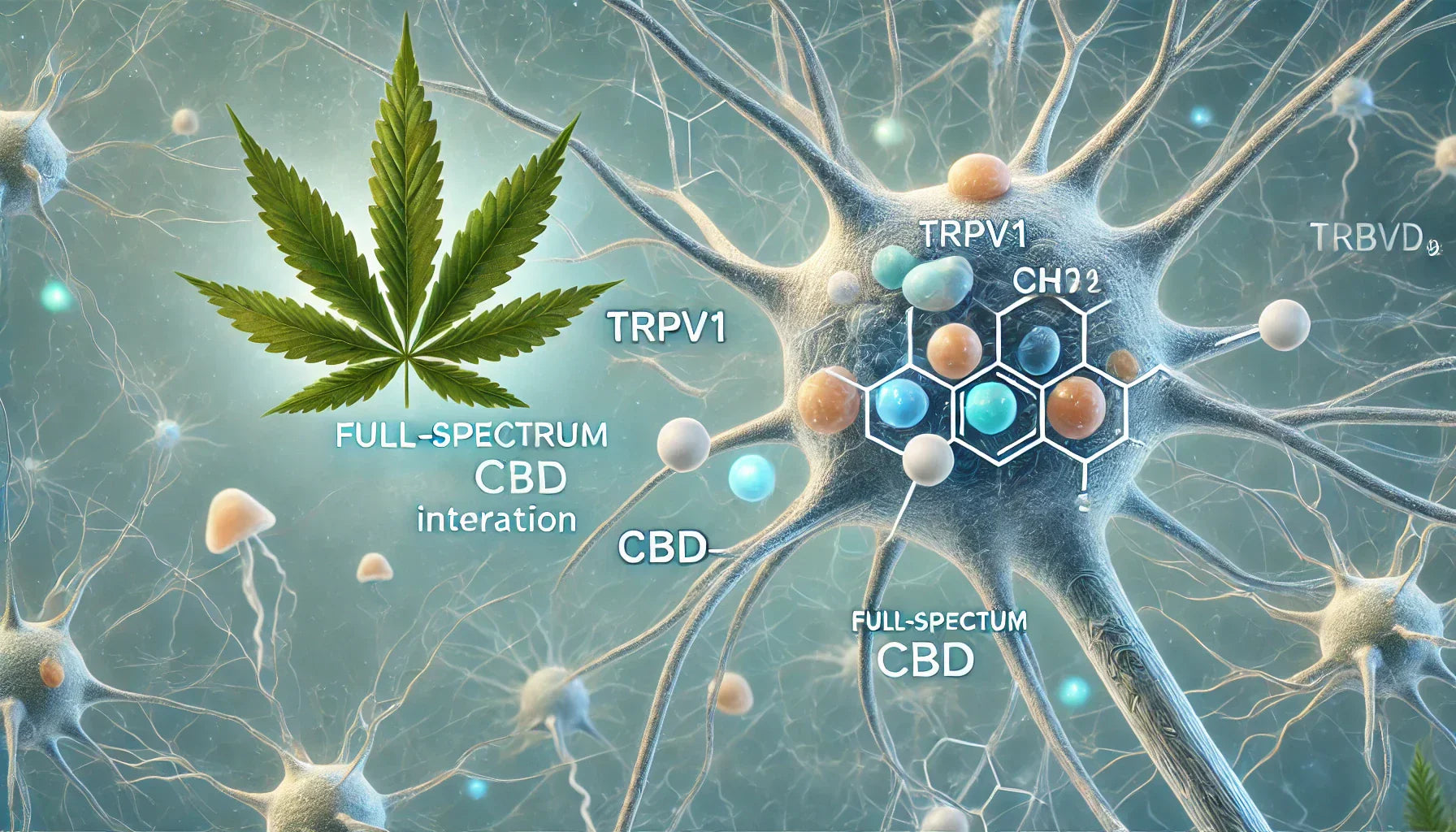
CBD influences several molecular targets relevant to inflammation, including pathways associated with endocannabinoid signalling.
The endocannabinoid system includes cannabinoid receptors, naturally produced endocannabinoids and enzymes that regulate their activity.
Two extensively studied receptors are CB1 and CB2.
CB1 receptors are particularly abundant in the nervous system, while CB2 receptors occur in various immune and peripheral tissues.
CBD has complex pharmacological effects and should not be described simply as a direct CB2 receptor activator.
Research indicates that its actions may also involve transient receptor potential channels, adenosine-related signalling, nuclear receptors and intracellular inflammatory pathways. [1]
These multiple interactions help explain why CBD has attracted scientific attention across different inflammatory research models.
The Science Behind CBD and Inflammation
Experimental investigations have identified several mechanisms through which CBD can influence inflammatory activity.
These include effects on:
Pro-inflammatory cytokine production.
Oxidative stress and cellular redox regulation.
Immune-cell activation.
Intracellular signalling pathways, including NF-κB.
Cellular responses to inflammatory stimuli.
Selected receptors and transcription factors involved in immune regulation.
A 2022 scientific review by Anil, Peeri and Koltai examined the inflammatory effects of medicinal cannabis constituents, including CBD, THC and other phytocannabinoids. [1]
The authors described multiple potential mechanisms and highlighted the diversity of experimental findings.
Although these mechanisms provide a biological foundation for further investigation, clinical efficacy must be assessed separately.
1. Arthritis and Joint Inflammation
Arthritis encompasses several different disorders.
Rheumatoid arthritis involves immune-mediated joint inflammation, while osteoarthritis includes cartilage, bone, synovial and other joint-tissue changes.
CBD has been investigated in relation to both inflammation and pain.
Laboratory Research
Lowin and colleagues published a 2020 investigation examining CBD's effects on fibroblast-like synoviocytes obtained from people with rheumatoid arthritis. [2]
These cells participate in inflammatory signalling and the destructive processes affecting joints.
The researchers observed that CBD altered cellular responses and could induce cell death under certain experimental conditions.
This provides evidence that CBD can affect mechanisms relevant to rheumatoid arthritis.
However, the study investigated cells under laboratory conditions rather than testing whether CBD improves disease outcomes in patients.
Human Observational Research
Frane and colleagues published a 2022 exploratory cross-sectional study examining CBD use among people with arthritis. [3]
Participants reported experiences involving pain, physical function, sleep and medication use.
The findings provide useful information about patient-reported outcomes.
However, the study relied on self-reported experiences and did not use a randomised placebo-controlled design.
It therefore cannot establish that CBD caused the improvements participants described.
A 2024 systematic review of CBD research involving pain further highlighted the importance of distinguishing preclinical findings from clinical results. [4]
The scientific conclusion: CBD has demonstrated effects on arthritis-related biological mechanisms, but its clinical effectiveness depends on the condition, formulation and available trial evidence.
2. Chronic Pain and Inflammation
Pain and inflammation frequently occur together, but they are not interchangeable processes.
Pain may arise through inflammatory, neuropathic, mechanical or other mechanisms.
Similarly, reducing an inflammatory marker does not necessarily mean that a patient will experience meaningful pain relief.
Researchers have investigated CBD's effects on peripheral nerves, immune signalling and neuronal pathways associated with pain.
The 2024 systematic review of clinical and preclinical CBD evidence examined this expanding research field. [4]
It identified promising experimental findings while emphasising the limitations and variability of human studies.
The results should not be interpreted as establishing CBD as an effective replacement for conventional pain treatment.
3. Gut Health and Digestive Inflammation
Inflammatory bowel diseases, including Crohn's disease and ulcerative colitis, involve complex immune and intestinal processes.
Because the endocannabinoid system participates in gastrointestinal physiology, cannabinoids have attracted scientific interest in this field.
Experimental studies have investigated whether cannabinoid compounds influence intestinal inflammation, motility and immune activity.
Human research has produced more complicated findings.
A randomised trial involving low-dose CBD in people with Crohn's disease did not demonstrate a beneficial treatment effect. [5]
A later randomised trial involving CBD-rich cannabis oil reported improvements in certain clinical outcomes, but did not demonstrate corresponding improvement in endoscopic measures of intestinal inflammation. [6]
These findings highlight an important distinction between symptom improvement and objective control of inflammatory disease.
Current research does not establish that CBD heals intestinal inflammation or repairs the intestinal lining in people with inflammatory bowel disease.
Further trials are needed to investigate appropriate formulations, clinical outcomes and potential mechanisms.
4. CBD and Skin Inflammation
Skin is an active immune and biological barrier.
Inflammatory signalling contributes to conditions including acne, eczema and psoriasis, although the underlying mechanisms differ substantially.
CBD has been investigated for its effects on skin cells, sebum production and inflammatory responses.
A study published in the Journal of Clinical Investigation in 2014 examined CBD's effects on cultured human sebocytes and human skin organ cultures. [7]
The researchers observed effects on lipid production, cellular proliferation and inflammatory signalling.
The findings suggested that CBD could influence mechanisms relevant to acne.
These results provide meaningful experimental evidence, but they do not establish that commercially available CBD skincare products effectively treat acne, eczema or psoriasis.
Clinical trials involving defined formulations are required to determine whether laboratory findings translate into useful patient outcomes.
5. Neuroinflammation
Inflammatory processes within the nervous system contribute to several neurological conditions.
Researchers have investigated the interactions between cannabinoids, immune signalling, oxidative stress and neuronal function.
Preclinical studies have examined CBD in experimental models relevant to neurological injury and neurodegenerative processes.
The 2022 review by Anil and colleagues discusses inflammatory pathways and cannabinoid-related mechanisms relevant to this broader field. [1]
These investigations offer valuable insights into biological processes.
However, evidence that CBD alters neuroinflammatory activity in an experimental model does not establish that it slows the progression of Alzheimer's disease, Parkinson's disease or multiple sclerosis in humans.
Those questions require condition-specific clinical investigations.
What Do Human Studies Reveal About Inflammatory Markers?
One of the most important questions is whether CBD produces consistent anti-inflammatory effects in humans.
Inflammatory processes can be investigated through biological markers, including cytokines such as interleukin-6 and tumour necrosis factor alpha.
A 2025 systematic review and meta-analysis examined the effects of CBD and THC on inflammatory biomarkers across clinical research. [8]
The review identified variability in study populations, formulations, dosages and experimental conditions.
Some individual studies reported changes in particular inflammatory markers.
However, the collective evidence did not establish a consistent systemic anti-inflammatory effect across all clinical settings.
These findings help place laboratory research into perspective.
CBD can demonstrate substantial effects in specific experimental systems without necessarily producing the same magnitude or direction of effect in the human body.
Why CBD Is Scientifically Interesting
CBD has attracted considerable research interest because it appears to influence multiple biological pathways rather than a single molecular target.
This includes pathways associated with:
Immune signalling.
Oxidative stress.
Cellular responses to inflammatory stimuli.
Neurological signalling.
Endocannabinoid-related processes.
Such pharmacological complexity creates opportunities for scientific investigation.
It also makes clinical interpretation more difficult, because effects can depend on concentration, tissue type, biological conditions and formulation.
The observation that CBD influences multiple pathways does not establish that it corrects the underlying causes of every inflammatory disease.
Instead, it provides hypotheses that can be tested through carefully designed experiments.
Safety and Pharmacological Considerations
CBD is often described as a naturally occurring compound, but natural origin does not establish safety at every dose or in every formulation.
Potential considerations include:
Interactions with prescription medicines.
Liver enzyme elevations associated with some therapeutic dosing regimens.
Gastrointestinal effects, fatigue and other adverse reactions.
Differences in absorption and metabolism.
Additional effects from THC or other cannabinoids where present.
Variation in the composition and purity of cannabinoid preparations.
Clinical evidence concerning purified CBD should not automatically be applied to all full-spectrum extracts.
Similarly, research on cannabinoids does not establish that they are safer or more effective than conventional anti-inflammatory medicines.
The balance of potential benefits and risks requires evidence specific to the condition and formulation being considered.
The Australian Research Context
Australia has an established research community investigating medicinal cannabis, cannabinoid pharmacology and potential clinical applications.
An Australian-linked randomised clinical study published in 2023 examined the potential effects of medicinal cannabis on inflammatory biomarkers in adults with advanced cancer. [9]
The study contributes to our understanding of how cannabinoid preparations may influence inflammatory processes in a particular clinical population.
However, its findings cannot be assumed to apply to purified CBD, ordinary full-spectrum hemp extracts or unrelated inflammatory disorders.
Australian researchers are also investigating cannabinoid formulations in conditions involving pain and inflammation.
These studies are important because they can help clarify which findings from laboratory research have clinical relevance.
The Bigger Picture: Inflammation and General Health
Inflammatory regulation is influenced by many factors, including genetics, infection, nutrition, physical activity, sleep, environmental exposures and underlying disease.
Research into CBD is one component of a much wider field investigating immune and inflammatory biology.
Other well-established approaches to maintaining general health include:
A balanced diet appropriate to individual nutritional needs.
Regular physical activity.
Adequate sleep.
Management of persistent psychological stress.
Avoidance of smoking.
Appropriate diagnosis and treatment of underlying inflammatory conditions.
These approaches should not be represented as proven to act synergistically with CBD without direct supporting research.
The Future of CBD and Inflammation Research
Several important scientific questions remain unanswered.
Researchers need to establish which inflammatory pathways are most relevant to CBD's pharmacological effects, and whether those effects occur at concentrations achievable in humans.
Other areas requiring investigation include:
Differences between purified CBD and full-spectrum extracts.
Effects on objective inflammatory biomarkers.
Appropriate clinical endpoints.
Long-term safety.
Formulation-dependent absorption.
Potential interactions with other cannabinoid compounds.
Differences between inflammatory diseases.
Large, well-controlled human studies are particularly important.
They can help distinguish promising molecular mechanisms from interventions that produce meaningful clinical improvements.
Conclusion
CBD and inflammation represent a legitimate and active area of scientific investigation.
Research has demonstrated effects on inflammatory signalling, immune-cell behaviour, oxidative stress and other biological processes.
Studies involving human cells and experimental disease models provide substantial evidence of pharmacological activity.
However, clinical outcomes remain variable, and the current evidence does not establish CBD as a broadly effective treatment for inflammatory diseases.
The strongest scientific conclusion is that CBD possesses biologically relevant anti-inflammatory properties under certain experimental conditions, while their clinical significance continues to be investigated.
Understanding both the findings and their limitations allows the research to be appreciated without overstating what has been demonstrated.
Scientific References
[1] Anil, S. M., Peeri, H., & Koltai, H. (2022). Medical Cannabis Activity Against Inflammation: Active Compounds and Modes of Action. Frontiers in Pharmacology, 13, 908198.
https://doi.org/10.3389/fphar.2022.908198
[2] Lowin, T., et al. (2020). Cannabidiol (CBD): A Killer for Inflammatory Rheumatoid Arthritis Synovial Fibroblasts. Cell Death & Disease, 11, 714.
https://doi.org/10.1038/s41419-020-02892-1
[3] Frane, N., et al. (2022). Cannabidiol as a Treatment for Arthritis and Joint Pain: An Exploratory Cross-Sectional Study. Journal of Cannabis Research, 4, 47.
https://doi.org/10.1186/s42238-022-00154-9
[4] Cannabidiol (CBD): A Systematic Review of Clinical and Preclinical Evidence in the Treatment of Pain. (2024). Pharmaceuticals, 17(11), 1438.
https://doi.org/10.3390/ph17111438
[5] Low-Dose Cannabidiol Is Safe but Not Effective in the Treatment for Crohn's Disease, a Randomized Controlled Trial. (2017).
https://pubmed.ncbi.nlm.nih.gov/28349233/
[6] Oral CBD-rich Cannabis Induces Clinical but Not Endoscopic Response in Patients with Crohn's Disease, a Randomised Controlled Trial. (2021). Journal of Crohn's and Colitis, 15(11), 1799–1806.
https://doi.org/10.1093/ecco-jcc/jjab069
[7] Cannabidiol Exerts Sebostatic and Antiinflammatory Effects on Human Sebocytes. (2014). Journal of Clinical Investigation, 124(9), 3713–3724.
https://doi.org/10.1172/JCI64628
[8] Candeloro, B. M., et al. (2025). The Pleiotropic Influence of Cannabidiol and Tetrahydrocannabinol on Inflammatory Biomarkers: A Systematic Review and Meta-Analytical Synthesis. International Journal of Molecular Sciences, 26(23), 11618.
https://pubmed.ncbi.nlm.nih.gov/41373770/
[9] Gurgenci, T., et al. (2023). Exploring Potential Anti-Inflammatory Effects of Medicinal Cannabis. Supportive Care in Cancer, 31, 629.
https://doi.org/10.1007/s00520-023-08069-8
This article examines published scientific research for educational purposes. Experimental findings involving particular cannabinoids or formulations should not be assumed to apply to every CBD product. The discussion is not a substitute for professional medical advice.

Join the conversation
Comments
Have a question or something to share? We'd love to hear from you.